To view this press release as a word file, click here
To view this press release as a pdf file, click here
The following is a summary of developments in nonfinancial private sector debt in the third quarter of 2025:
- In the third quarter of 2025, the balance of nonfinancial private sector debt (both business and household) increased by approximately 2.6 percent to a level of NIS 2.4 trillion, continuing the increase from previous quarters.
- The balance of business sector debt increased by about 2.5 percent (about NIS 36 billion) during the third quarter, to about NIS 1.5 trillion. This was mainly due to net debt raised via bank loans.
- Bond issuances by the business sector in Israel totaled about NIS 26 billion during the third quarter, higher than the quarterly average of the previous four quarters. About 57 percent of issuances in the third quarter were by companies in the real estate and construction industry, which continues to lead issuances similar to previous years.
- The balance of household debt also continued to increase during the quarter, to about NIS 890 billion, mainly due to a combination of an increase in the balance of nonhousing debt (by about NIS 10 billion, 4.2 percent) to about NIS 246 billion, which was due to an increase in the balance of debt to banks and credit card companies, and an increase in the balance of nonhousing debt (about NIS 14 billion, 2.2 percent) due to new mortgage borrowing from banks.
The nonfinancial business sector’s[1] debt
- In the third quarter of 2025, the balance of business sector debt continued to increase, by about 2.5 percent (about NIS 36 billion) to NIS 1.5 trillion. With that, there was a slight decline in the annual pace of growth to about 8.8 percent, compared with 9.3 percent in the previous quarter.
The increase in the balance was due to net debt raised in the following channels: bank loans, loans from nonresidents, and tradable bonds in Israel and abroad. An increase of about 1.3 percent in the Consumer Price Index[2] also contributed to the increase in the value of CPI-indexed debt. These increases were partly offset by an appreciation of about 2 percent in the shekel vis-à-vis the US dollar, which reduced the value of the debt denominated in and indexed to foreign currency, as well as from net redemptions in nontradable bonds in Israel and in loans from institutional investors.
- The annual growth rate of the balance of debt to the banks remained high during the quarter, but declined slightly, to about 15.5 percent. The annual growth rate of debt to nonbank lenders also declined, for the third consecutive quarter, though it remained positive—at about 0.4 percent (Figures 1, 2).
- In the third quarter of the year, the business sector issued about NIS 26 billion in bonds, higher than the quarterly average of funds raised in the previous four quarters (about NIS 21 billion per quarter). Approximately 57 percent of the issuances in the third quarter were carried out by companies in the real estate and construction industry, which continues to lead in bond issuances, similar to previous years (Figure 3).
- In October 2025, the business sector issued bonds worth about NIS 4 billion, lower than the monthly average in the third quarter (about NIS 9 billion) of which about 57 percent were issued by companies in the real estate and construction industry.
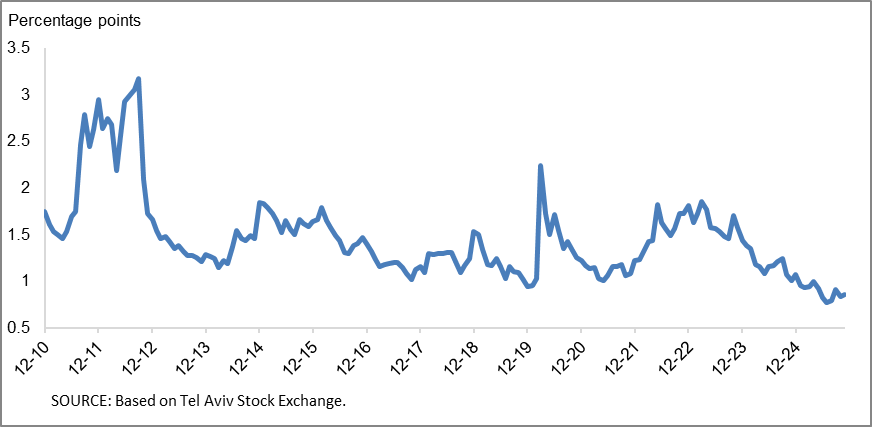
- In the third quarter of 2025, the spread[3] between yields on corporate bonds that are included in the Tel Bond 60 Index and the yields on CPI-indexed government bonds expanded slightly, to about 0.91 percentage points. However, in October–November, this spread narrowed to about 0.86 percentage points. (Figure 4).
Table 1: The Composition of Business Sector Debt
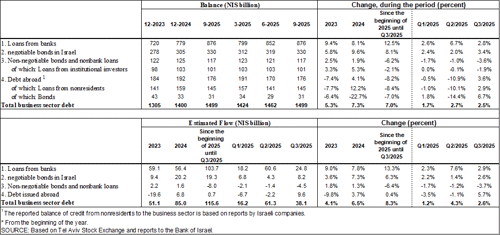
Figure 1: Estimated Net Quarterly Quantitative Change in Business Sector Debt
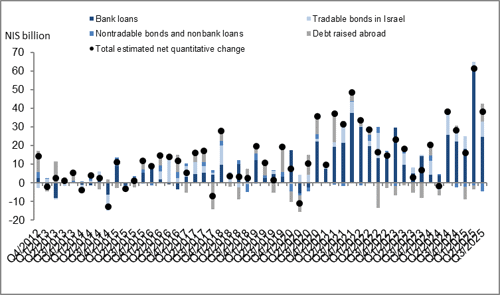
Figure 2: Rate of Change (Year on Year) in the Business Sector's Bank and Nonbank Debt
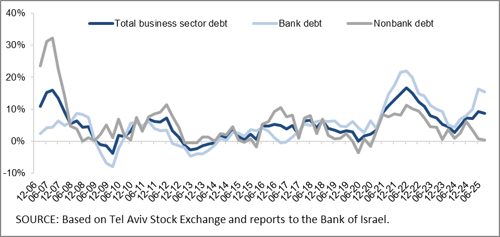
Figure 3: Nonfinancial Business Sector Bond Issuance during the quarter, by Industry
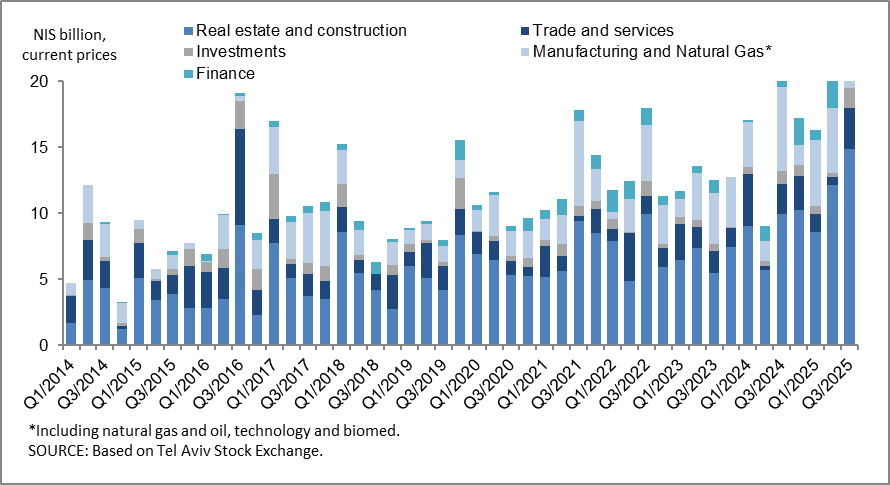
Figure 4: Spread between Indexed Corporate Bonds (Tel-Bond 60) and Indexed Government Bonds (monthly average)
Household debt
- In the third quarter of 2025, the balance of households’ outstanding debt increased significantly to about NIS 890 billion, an increase of about NIS 24 billion (2.7 percent). The balance of nonhousing debt increased by about 4.2 percent (compared to -0.6 percent in the previous quarter) to about NIS 246 billion. The increase was concentrated in the balance of debt to banks and credit card companies. The balance of housing debt continued to increase by about 2.2 percent (about NIS 14 billion), to about of NIS 644 billion, mostly to banks.
- Due to these effects, the annual growth rate of housing debt remained stable during the quarter, at about 8 percent, while the annual growth rate of nonhousing debt increased, to 5.2 percent, compared to 3.2 percent in the previous quarter (Figure 5).
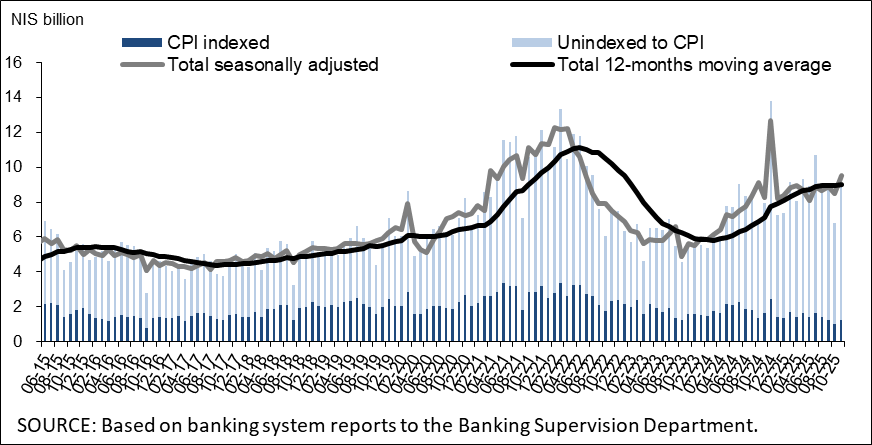
- The increase in housing debt is the result of continued new mortgage borrowing from the banks, which began at the end of 2023. New mortgage borrowing in the third quarter of the year, after seasonal adjustment, totaled about NIS 26 billion, slightly higher than the corresponding period of the previous year (about NIS 23 billion).
- In October and November 2025, new mortgage borrowing from banks totaled about NIS 9 billion per month on average, after seasonal adjustment (Figure 6).
Table 2: Outstanding Debt Balances of Households1
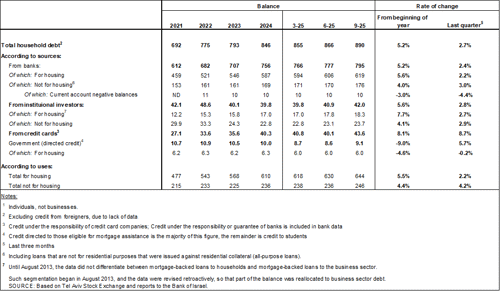
Figure 5: Rates of Change in Households’ Housing and Nonhousing Debt, Current Quarter vs. Corresponding Quarter of Previous Year
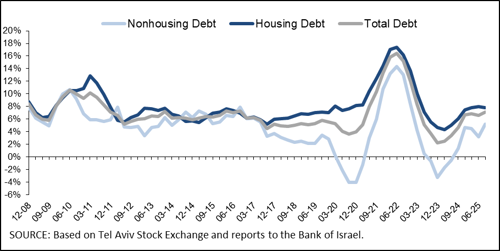
Figure 6 : Amount of New Home Purchase Loans Provided by Banks to the Public (Mortgages)
Links to Data and Statistics on the Bank of Israel website:
[1] Israeli corporations, excluding banks, credit card companies, and insurance companies.
[2] CPI-indexed balances are calculated according to the known CPI on the date the financial statements are published, so that a change in the CPI refers to the change between the known CPI and the CPI of the preceding month.
[3] The cha1nge in the spread from one quarter to the next is calculated as the difference between the average spread in the final month of the reviewed quarter and the average spread in the final month of the previous quarter.